
From Vumbi to Shambas: How Toyota Gazoo Racing Shapes Fan Expectations in Kenya

NAIVASHA, KENYA — As the World Rally Championship returns to the dust and unpredictability of the Safari Rally, one presence stands out across the Naivasha service park and the surrounding stages: Toyota Gazoo Racing.
For many Kenyan fans, the connection is instinctive. Toyota vehicles dominate highways, shambas, and remote access tracks that rally spectators use to reach the stages. During rally week, that everyday familiarity meets the intensity of world championship competition. When the GR Yaris Rally1 cars line up for the start, the link between the roads people drive daily and the machinery battling the Safari terrain becomes impossible to ignore.
A Five-Car Line-Up Built for the Safari
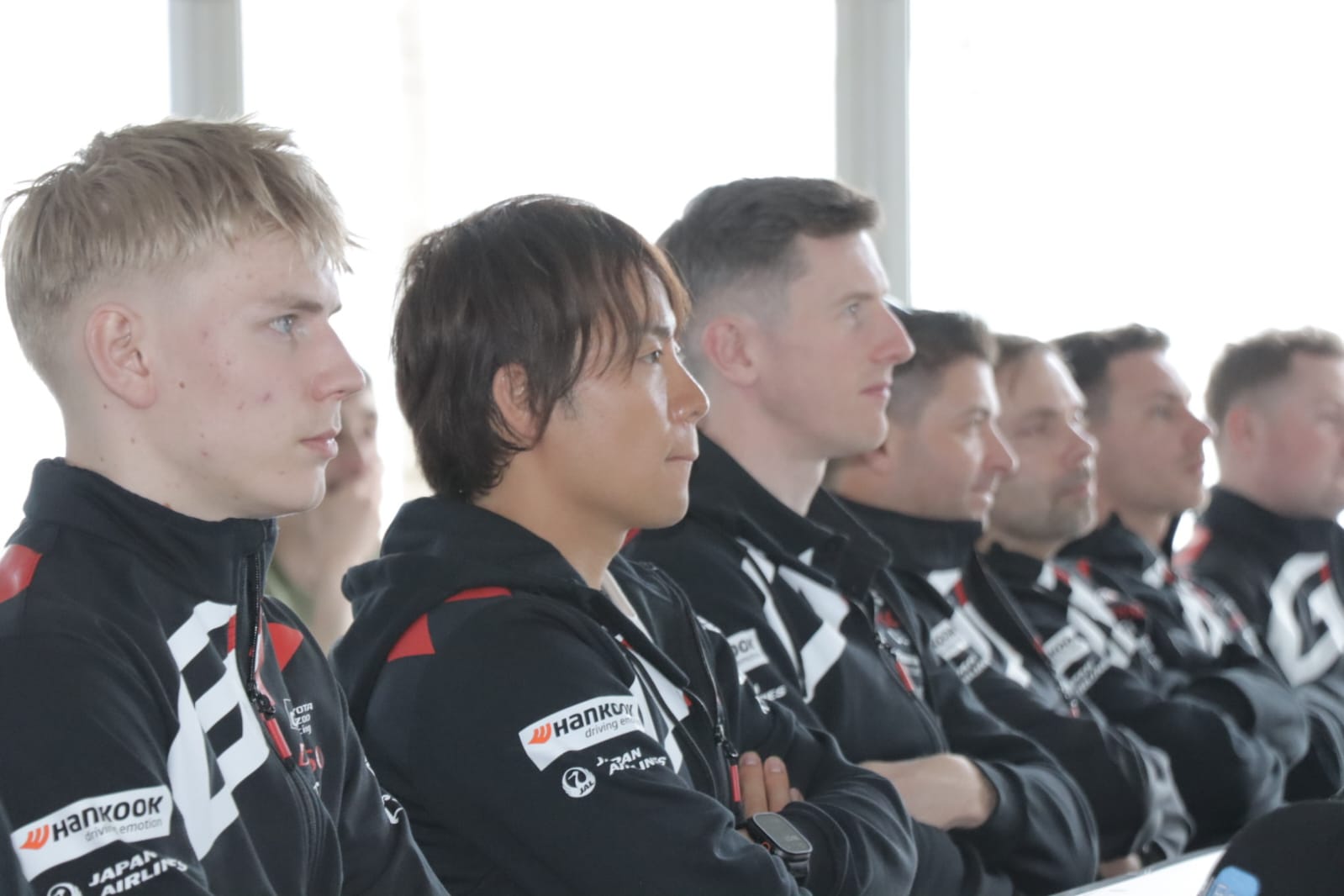
Toyota arrives at the 2026 edition of the rally with a strong five-car line-up that blends experience and depth. Eight-time world champion Sébastien Ogier returns to tackle the Kenyan stages once again, bringing the calm precision that has defined his career. Alongside him is Elfyn Evans, the defending Safari Rally winner, who knows better than most that success in Kenya demands patience as much as speed.
The squad is completed by Oliver Solberg, whose early season performances have emphasised his pace, Takamoto Katsuta, a fan favourite for his consistency on Kenyan gravel, and emerging Finnish talent Sami Pajari, gaining valuable experience in Rally1 machinery.
Precision Beyond the Stages
Around the Naivasha service park, Toyota’s Gazoo Racing branding is clean, deliberate, and confident. The disciplined layout and vibrant colours reinforce the team’s authority a reminder that in modern rallying, preparation extends beyond the cars themselves. For fans walking past the shambas turned spectator tracks, Toyota’s presence is as much a visual statement as it is a competitive one.
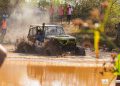
Yet the Safari Rally remains famously unpredictable. March conditions can shift in minutes, with dry vumbi giving way to mud and slippery tracks. Mechanical reliability, tyre management, and reading the terrain often matter more than outright pace.
Investing in Kenya’s Rally Future
Alongside the Rally1 action, Toyota’s wider commitment to Kenyan motorsport is clear. The Toyota Starlet Rally5 built locally through a KSh 48.5 million investment signals the brand’s effort to make rallying more accessible at grassroots level. More importantly, it gives Kenyan drivers a chance to build their own path and take ownership of the sport’s narrative.
For fans lining the stages from shake down, to Kedong to Sleeping Warrior and the new roaand watching the GR Yaris tackle the vumbi and the shambas is more than a spectacle — it is a reminder of Toyota’s enduring connection to the Kenyan rally landscape.
As the engines fire and the cars disappear into the dust, one thing remains certain: the Safari Rally continues to test man, machine, and terrain alike. Toyota may enter as a reference point, but the vumbi, the shambas, and the unpredictable Rift Valley stages always write the final chapter.
Toyota lineup blending Evans’ championship experience, Katsuta’s growing confidence on the African terrain, and Pajari’s rising young pace as the next generation of rally stars.